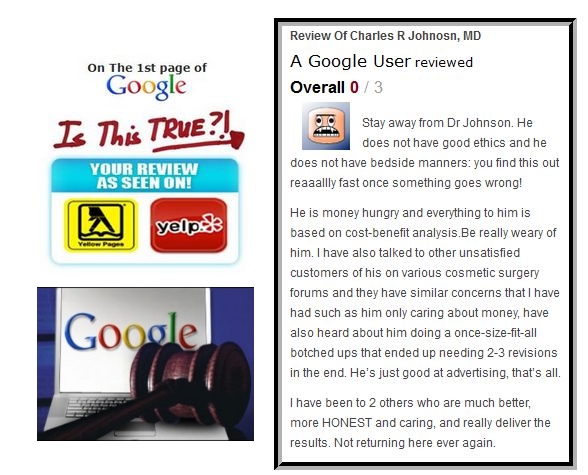
Reputation Management
Reputation Management: Using proprietary systems, Reputation Professor repairs, revises, enhances and manipulates search engine reputation management results for our confidential clients. To protect your image and influence your clients’ perception of your business Contact Us.
Reputation Management Branding: Branding is the process by which business, people and their careers are marked as brands. Branding is a set of methods for generating a respectable presence on the Internet. That presence could be reflected in any kind of content that refers to the entity, including participation in blogs, personal web sites, social media, pictures or video.
Reputation Management
US / Canada: 1-877-355-6410
International: 001-321-945-7973
Email: reputationprofessor@gmail.com
*Annoying someone via the Internet is a Federal Crime.
Why Reputation Management
Reputation Management
Some complaint sites may be run by a competing company or its employees. In addition to disgruntled employees, ex-wives, ex-friends and consumers, companies may face Internet sites backed by environmental or other activist groups seeking to promote their political causes.
Internet reputation management complaint web sites have become the tool of choice for irritated customers, disgruntled employees, political activists and anyone else to air their bellyaches economically and effectively. Concealed by anonymity and powered by a worldwide audience, Internet complainers can impose chaos on your Company.
Reputation Management is critical when considering fiscal implications. Reputation Management through analyzing and influencing search engine results, can prevent the loss of business or career and ensure ongoing success for you and your Company.
•More than 80 percent of executive and corporate recruiters research job candidates online, and 43 percent say they have turned down job seekers because of what they found, according to a study released August 2008 by ExecuNet.
•Online reviews are second only to personal advice from a friend as the driver of purchase decisions; user reviews are more influential than third-party reviews. (”Web users and web community,” Rubicon Consulting, Inc. October 2008)
•86% of consumers read online business reviews before making purchasing decisions; 90% of whom say they trust these reviews. (Kudzu.com survey of 600 users, December 2008)
•Almost two-thirds (62%) of consumers read consumer-written product reviews on the Internet. (Deloitte & Touche, September 2007)
•When asked what sources of information they are “very likely” to consult before making a decision about their entertainment options, 62% named Web sites with user reviews as their top choice, even beating out a knowledgeable friend (59%). (Marketing Sherpa, July 2007)
•Seven in 10 (69%) consumers who read reviews share them with friends, family or colleagues, thus amplifying their impact. (Deloitte & Touche, September 2007)
•74% agree-including 14% who strongly agree-that they choose companies and brands based on what others say online about their customer service experiences, the survey shows. (Society for New Communications Research, May 2008)
•More than eight in ten (82%) of those who read reviews said that their purchasing decisions have been directly influenced by those reviews. (Deloitte & Touche, September 2007)
100 Tips, Tools, and Resources for Reputation Management
Author Christina Laun
Provided by Kelly Sonora at http://www.mastersincriminaljustice.com
With the advent of online tools that make it easy to share information, meet new people and keep in touch faster than ever, reputation has taken on a twofold dimension. Individuals and businesses no longer have to worry about their reputation in real life but in the virtual world as well, making it twice as hard to keep up with what’s being said. There are some ways that you can work to manage your online reputation, however, whether you’re doing it for yourself or for your business. These resources provide tips and tools to make it easier to track, control and manage your online reputation so you stay on top and in control of your personal and professional image.
Tips
Here are some general tips to consider when managing your online reputation.
- Create official online profiles. Don’t let just anyone talk about you online. Create your own profiles and websites complete with the kind of information you actually want to be available about you.
- Check what people are saying about you online. Whether good or bad you can do yourself a favor by finding out just what is being said about you online. Use some of the tools mentioned later in this article to keep yourself in the loop.
- Stay on the ball. Don’t get lazy about monitoring your reputation. If necessary, perform monthly checks to see if there’s any information about you that could be potentially harmful.
- Google yourself. The simplest way to find out where your or your company’s online reputation stands is to Google yourself. See what kind of results pop up first. If they aren’t what they’d like them to be, you’ve got some work to do.
- Assume everything can get on the web. Both in your personal and professional life, what you say online and off can come back to bite you. Be safe and assume any emails, conversations or photos out there can eventually end up on the Web.
- Choose your words carefully. If you are blogging, running a website or just have a social media profile, be careful what you post. Unless you’re looking for controversy what you say may cause you problems in the future.
- Know your weaknesses. If you know your business has a particular weakness or are just familiar with your propensity for getting wild on the weekend, keep this in mind and have it as your top priority for checking on your online reputation.
- Protect yourself from hackers. This may seem like it goes without saying, but many people fail to adequately secure their online information. Make sure yours is as safe as it possibly can be.
- Keep social networks private. One way to deter prying eyes is to keep your social networking profiles private to all except those you approve. This will keep casual viewers from seeing your information, good or bad.
- Consider pseudonyms.If you do want to keep a blog or engage in hijinks on internet message boards, create a name for yourself to hide behind so you can’t be easily tracked.
- Be proactive. Instead of waiting until you have an issue with your online reputation, stay ahead of the game. Search for what’s being said about you regularly so you’ll stay up-to-date.
- Act fast. If you do find something said or posted about you online that you feel could be particularly damaging to you, take action immediately. Whether its your friend posting photos from your Vegas trip or someone you don’t know slandering your business, taking care of it sooner rather than later is best.
- Keep your cool. You may be incensed at what someone has said about you online, but don’t let it show. Keep your anger to yourself and off the internet where it can do more harm than good.
Reputation Management Articles
These articles provide some useful and informative reading material for anyone wanting to know more about online reputation both for businesses and individuals.
- Protect Your Online Reputation: This article from SEO Chat lays out some basics for monitoring and protecting your online reputation.
- Ten Tactics That Could Save Your Online Reputation: The CEO of Trakur gives some great advice in this Mashable article on how your company can avoid reputation meltdown.
- How to Manage Your Online Reputation: This article goes through a number of tools and how to use them to keep your reputation intact.
- Social Networks Become Powerful Tool in Online Reputation Management: Find out how social networks are playing a bigger role than ever in online reputation from this short article.
- How to Create Online Reputation Tools for Your Brand: Worried about the online component of your company’s brand? This article gives some advice on creating custom tools to monitor and control your online rep.
- Online Reputation Handbook: You’ll find just about everything you ever wanted to know about online reputation in this helpful handbook.
- Manage Your Online Reputation: Lifehacker gives some great tips and pointers, as well as links to tools that can help you get control of your reputation.
- How To Protect, Fix Your Online Reputation: From keeping problems from arising to fixing them when they do, this article is full of helpful advice.
- Using Social Media to Manage Online Reputation: Find out how social media can be a help, not just a hindrance, to online reputation.
- Basics of Online Reputation Management: Here you’ll learn the basics of getting your online reputation in order.
- Managing Your Reputation Online: Technology Review provides this informative article that can help you understand and take action when it comes to your virtual reputation.
- Online Reputation Management for Individuals: Online reputation isn’t just a concern for businesses, and this article explains how individuals can keep their name in good standing as well.
Personal Identity Reputation Management
These tools can help you manage your numerous online profiles, monitor your personal reputation and more.
- ClaimID: Check out this program that uses OpenID to manage your personal identity over several sites, meaning you only have to remember the password for one, not numerous ones.
- FindMeOn: Want to connect your identity over several sites? FindMeOn lets you do that while keeping your information private and secure.
- FreeYourID: Make maintaining your online identity easy, with this tool that bases it directly on your name.
- Garlik: If you’re worried that your identity may be more than marred and straight out stolen, give this tool a try. You’ll be able to search for mentions of you on the web that might involve identity theft.
- myOpenID: Don’t worry about having multiple logins with this OpenID site.
- SpyShakers: Try this tool to get access to any of your profile passwords remotely. It specializes in protecting your information from spyware.
- TypeKey: TypeKey allows you to integrate your blog into your OpenID, allowing you to manage pretty much everything with one main profile.
- Realmee: Here you can create a personal profile that will allow you to more easily control what others can see of you online.
- LookUpPage: Want to control what people find when they search for you? This site helps out, by giving you a central page that comes up at the top when your name is searched for.
- MonitorThis: Try out this site to monitor and track keywords over multiple search engines, giving you clues about who’s talking about you.
Professional Identity Reputation Management
Keep your business’ name out of the mud by protecting it with these helpful tools.
- Trust-Index: Find out how well your business is trusted with this tool.
- Google Alerts: With Google Alerts you can get email updates of the latest google results based on your name or other topic of your choosing.
- BoardTracker: Whether you post on boards yourself or want to see if anyone else is talking about you, this tool makes it easy to filter to threads.
- Vanno: Get an online reputation the democratic way, with this site that allows others to vote on the stories, videos and blogs about your company.
- Serph: Use this search tool to look up your company and find out just what kind of buzz is going around the web about your company.
- Searchles: This social search engine can help you keep up with the news out about your business.
- Omgili: Search through the numerous forums out there to find out what people are saying about you using this helpful tool.
- BoardReader: This tool is especially useful, allowing users to search through forums, videos, Twitter conversations, IMDB and more.
- Joongel: Zoom in on the type of media you’d like to search with this online tool. Choose from videos, photos, shopping sites, and more.
- Techrigy: This company makes it easier and simpler to monitor your business’ reputation online.
- Keotag: Match blogs with tags that reflect talk about your business or related topics using this tool.
- UpdatePatrol: This tool makes it easy to watch websites for updates and changes, which can sometimes be useful when you want to know what a particular site is saying about you.
Blog Tools for Reputation Management
With the great proliferation of blogs out there, it’s worth your time to keep track of what’s being said about you on them. These tools make it easy and convenient to do just that.
- Zuula: If you want to get posts just from blogs, try out this search engine. Users can also limit results to photos or videos.
- SezWho: Follow who’s important in the blogging world and what they may be saying about you with this tool. Also useful to find out where your personal blog may stand.
- Technorati: Whether you’re blogging personally or professionally, listing your blog with Technorati can be a big help in managing your online reputation. You’ll get updates whenever someone links to your blog so you can keep tabs on what people are saying about you or your business.
- BackType: BackType is a service that lets you find, follow, and share comments from across the Web, allowing you to keep track of where you’ve been and what you’ve said on blogs.
- TweetBeep: TweetBeep will let you keep track of conversations on Twitter than mention you or your business or anything else you’d like to track.
- co.mments: When you sign up for an account with this site you’ll be able to track comments and conversations that can influence your online reputation.
- Blogpulse: Keep your finger on the pulse of what’s going on in the blogging world, especially in relation to your business using the tools offered on this site.
- Trendpedia: For businesses, this can be a valuable tool to track when and what your business is getting attention for and how you’re doing compared to your competitors.
- Twist: Twist allows users to compare mentions of several different topics and view recent tweets about each one, making it easy to track info about businesses.
- monitter: This tool lets you do much the same as Twist, but you can monitor topics in real-time or by geographic region.
- Buzzlogic: Track buzz in the blogging world with this site, and find out just who’s word matters when it comes to blogs.
Reputation Management Profile Management
These tools make it easier to keep track of your social networking profiles and your online reputation in turn.
- Comwat: Use Comwat to organize your social networking profiles into one so that its easier for others to find and easier to control what they see.
- onXiam: Here you can establish a central online identity, use this identity to link up all your other sites, and even promote this new online location as well.
- OtherEgo: Show off everything that you’re involved in on the net through this centralized site.
- Zoolit: Check out this landing page service that makes it super easy to manage all the social networks you’ve been using.
- Venyo: From lengthy blogs to simple comments, this site allows you to access everything you’ve done online, building up a trustworthy reputation at the same time.
- ProfileMat: Pull all your existing online profiles together into a “mat” and allow users to comment on this new singular profile instead.
- SimplifID: This site allows users to organize the online world by creating one central place you can access your blogs, social networking sites and more, allowing you to categorize it by type of viewer.
- SocialURL: Here you can connect all your online identities by linking your social networking profiles to one URL.
- ProfileBuilder: Want to create a professional looking profile using material from your existing social networks? This site lets you do just that, keeping or blocking the elements you choose and giving you a super useful home page to visit.
Reputation Management
These tools allow you to hunt down what’s being said about you and find out just what others think of you or your business.
- Naymz: Give this site a try to get feedback from people you’ve worked with, customers and friends.
- Rapleaf: Here you can look up your personal or professional reputation, rate other people and businesses and get your own ratings.
- RepVine: Using a search engine is the easiest way for people who want to know about you to find out more. This site helps you to control what they find when they do this.
- Keotag: Manage the blogsphere with this site that allows users to find tagged blog posts over several blog search engines.
- TrustPl.us: Are you trustworthy? This site works by analyzing your or more like your business’ trust scores and giving you a ranking.
- FriendFeed: Whether you want to keep up with what your friends are looking at or keep up with what’s being said about you personally, this site is a useful tool.
- Social Media Fire Hose: This helpful tool tracks your name, brand or product across sites like Digg, FriendFeed and others that specialize in social media.
- Radian6: This tool makes it easier to monitor social media, often to the benefit of businesses who can use the information to their advantage to build better reputations and products.
- Cision: For a fee, this tool can help you monitor “100 million blogs, tens of thousands of online forums, and over 450 leading rich media sites.”
- Web of Trust: Ensure your website is considered trusted by joining up with this site. After all, no one wants to be associated with a dangerous site– it’s just bad for business.
General Reputation Management Tools
If you haven’t already, bookmark these sites which can be a big help in maintaining your reputation positively online.
- Digg: Check out Digg regularly to see if anyone has submitted stories about your or your business.
- Reddit: Similar to Digg, this site will allow you to see how much interest there is you on the Web.
- delicious: This social bookmarking site is a good place to see if your webpage or information about you or your business is being passed around by others.
- Flickr: Think there may be some less-than-impressive photos of you out there? Trying searching this photo site to see if you come up.
- Facebook: Facebook can be a great place to network, just make sure you keep your profile free from things you wouldn’t want spread about you.
- MySpace: With millions of visitors, this popular social networking site can be a great place to get your and your business’ name out there.
- LinkedIn: Here you can create a professional profile that will allow you to interact with others in your profession in a safe and positive manner.
- Google: There’s no easier way to find out what your online reputation is than to do a simple Google search.
- Rollyo: If you want a more customized option for searching, try out this great search engine that you can tailor to your online reputation finding needs.
- Furl: Another social bookmarking site, here you can track who’s interested in your sites.
- Twitter: Whether you want to communicate with others or track the buzz about you on the net, Twitter is an essential tool.
- Wordpress: If you’re going to start a blog to be the face of you or your company, this site makes it easy to do so.
100 Tips, Tools, and Resources for Reputation Management
Reputation Management Attitudes
Gary Vaynerchuk about Reputation Management.
The video Author is not affiliated with this site or it’s management. However, the video provides insight into why a competitor or estranged spouse complaint is taken so seriously.
DIY Reputation Management
Controlling or managing search rank for your own name is fairly easy for an SEO (search engine optimizer), but what can the average person do? Below I outline a number of free, quick, easy and effective ways to populate the first page of results for your name. I highly recommend people start creating content for their name now as it will be much more difficult after waiting for someone else with your name to muddy the search results to spur you to action.
1) Create a Reputation Management Blog Even if you build just a one-page site using your name on a free blog network, you can quickly use your blog to create pages about yourself and link to other pages you are going to create on this list. Use your name in the blog name.
Estimated time to complete: 10 minutes Free Options: Blogger (blogspot), WordPress, LiveJournal
2) Create a Reputation Management Wiki Several wiki platforms have done a great job of creating publishing tools that are even easier to use than most blog technology. Though wikis are best suited for group collaboration, the will also work well helping you link to your blog and other pages. Use your name in the wiki name.
Estimated time to complete: 10 minutes Free Options: Wetpaint, Wikia Wikia
3) Register your Reputation Management domain If you are lucky enough to have [insertyourname].com (or .net, .org, .info) available, snatch them up. The small fee is well worth it even if you don’t actively build a site using it because, at the very least, you are preventing your competition (other people with your name, or people who don’t like you) from ranking high for your name. Even better, use your domain for the site or wiki you are going to create.
Estimated time to complete: 5 minutes Cheap Options: Aplus.net
4) LinkedIn Reputation Management: Set up a LinkedIn profile and make it publicly available. Add background info like education, employment history, awards or certification (or anything else you are proud of). Add links to your other sites/pages.
Estimated time to complete: 5-10 minutes
5) Jobster Reputation Management: Some people are a little shocked when they find out their profile shows up in search. Not you, because you want it to! Create a jobster account, allow it to be publicly available, fill out a little employment info, answer a couple questions, but write it keeping in mind that your current employer could come across it.
Estimated time to complete: 5 minutes
6) Myspace Reputation Management pages tend to show up in search as well. Though Myspace has probably ruined more people’s reputations than helped, you will create a clean Myspace page for your name and, if you feel the urge, put the racy stuff on a different profile.
Estimated time to complete: 5 minutes
7) Flickr Reputation Management accounts and images have a great chance of showing up in the engines, especially for image searches. Creat an account, upload a few photos you like and label them with your name.
Estimated time to complete: 10 minutes
Comment on Popular Reputation Management Post’s: Sometimes I see a commenter’s name show up in search. Find a popular blogger site or newspaper site that allows comments, and find a post that you feel comfortable commenting on. Use your real name for the name field. Try this on a couple sites. Estimated time to complete: 5 minutes
9) Employer Site If your employer features profiles on their website, ask them to add one for you. If not, talk them into it or author a post on their blog (if they have one). Estimated time to complete: 5-30 minutes, depending on your company
10) Join a Forum Do a search for a forum that you might want to participate on. For example, if you are into guitar, you should search for “guitar forum.” If it looks like a place where it would be easy for you to make five or six posts, then sign up and use your name for your profile name. Make your five posts and fill out your profile page with information about you and use your name at least once in the profile description. Estimated time to complete: 15 minutes
*Disclosure: I work for Wetpaint, but honestly believe their wiki solution is the best option
In the future, Facebook might also be an option. They recently allowed profiles set to public to be crawled, but they are showing logged-out status of your profile, which is basically your name and picture right now. Eventually, I believe, Facebook will open it up to show your full public profile (probably in ‘08).
Keep in mind, Google usually only shows two results for any one site. That’s why I have you contributing on multiple sites. A couple more tips:
- If you ever receive a great interview or bio online, link to it from your sites.
- For online activity that you don’t want to be associated with your name, use a nickname or “handle” that is completely different from your real name.
- If you have stiffer competition for your name, you may need to spend more time building out and linking to the various options I list above.
Other Reputation Management options:
a) Wikipedia If you have a strong brand you can list your company in the Wikipedia online encyclopedia. Estimated time to complete: 30-45 minutes, depending on your company
b) Press Releases Press releases do well in news search, and if you point a few links at them it could also help them outrank other pages. PRWeb is popular. Estimated time to complete: 30-45 minutes, depending on your company
c) Writing Articles This is another easy way to create content that is highly relevant to your brand or name at places like Article City. Estimated time to complete: 60 minutes, depending on your company
Please email recommendations to improve this page to reputationprofessor@gmail.com
Remove Slander, Libel, Defamation through Reputation Management